![{[setting('site_name')]}](https://www.projxnews.com/uploads/setting/16983847711140531930.webp)
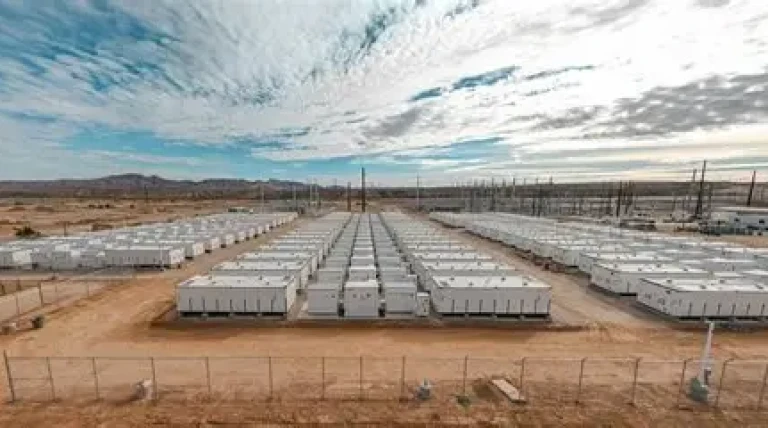

The Government of India is developing a new Viability Gap Funding (VGF) scheme with a proposed outlay of ₹15,000 crore to accelerate the deployment of 112 GWh of energy storage capacity nationwide. The initiative is designed to enhance grid reliability, facilitate greater integration of renewable energy, and address growing electricity demand, particularly during peak consumption periods.
The proposed programme includes 50 GWh of Battery Energy Storage Systems (BESS), 60 GWh of pumped storage projects, and 2 GWh of emerging energy storage technologies. A concept note prepared by the Ministry of Power has been submitted for approval, while the draft scheme is currently undergoing inter-ministerial consultations. The programme is expected to play a significant role in supporting India’s target of achieving 500 GW of non-fossil fuel capacity by 2030 by providing the storage infrastructure needed to manage the variability of renewable energy generation.
The proposed scheme builds on earlier VGF initiatives that supported 43.2 GWh of battery storage capacity but did not cover pumped hydro storage projects. According to the Central Electricity Authority (CEA), India’s energy storage requirement is projected to reach 235 GWh by 2029–30 and increase to 888 GWh by 2035–36, underscoring the need for substantial investments in large-scale energy storage infrastructure.
News by Rahul Yelligetti.