![{[setting('site_name')]}](https://www.projxnews.com/uploads/setting/16983847711140531930.webp)
Uttar Pradesh has set ambitious targets to safely reuse 50% of its wastewater by 2030 and achieve 100% reuse by 2035, as part of its broader strategy to enhance water security and promote sustainable development.
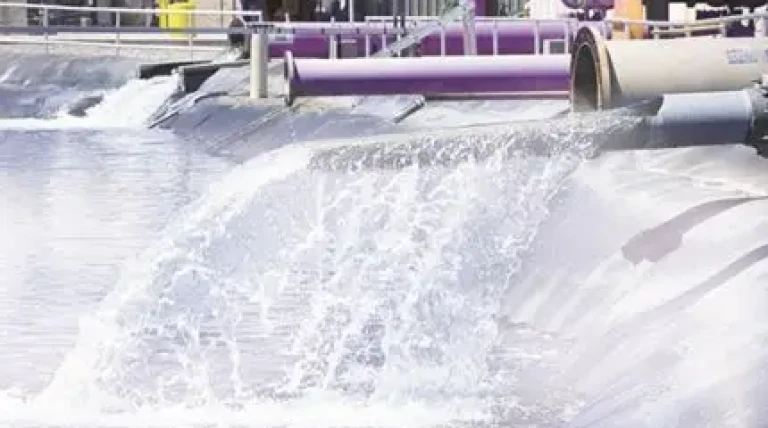
Treated wastewater will be utilised for industrial, agricultural, municipal and other non-potable purposes, helping to reduce reliance on groundwater and ease pressure on natural water resources. To support these goals, the state government has introduced a comprehensive policy, along with a phased action plan and a clear implementation framework.
In the first phase, regions with existing sewage treatment and collection infrastructure will aim to reuse half of the treated wastewater by 2030. Phase II (2030–2035) will focus on expanding current facilities to enable complete wastewater reuse. Phase III, extending up to 2045, will involve the gradual development of new treatment and collection systems to ensure full coverage across the state.
Officials emphasised that wastewater will be treated as a valuable economic resource rather than a liability, delivering long-term environmental and economic benefits. Joginder Singh of the State Clean Ganga Mission said the policy’s primary objective is to reduce pressure on water resources and ensure sustainable development.
News by Rahul Yelligetti.