![{[setting('site_name')]}](https://www.projxnews.com/uploads/setting/16983847711140531930.webp)
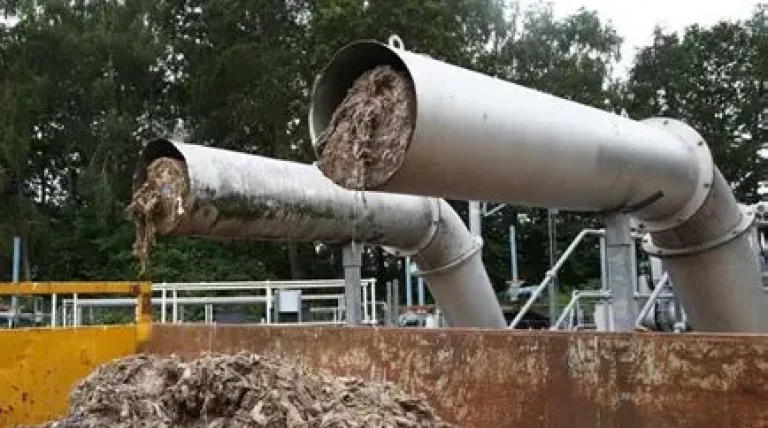

The Greater Cochin Development Authority (GCDA) has decided to scale up operations at its sewage treatment plant located at the Jawaharlal Nehru International Stadium, enabling it to process sewage generated beyond the stadium premises and utilise its full installed capacity of 750 kilolitres per day (KLPD).
The move comes in response to observations by the National Green Tribunal during proceedings related to Kochi’s waste management, which underscored the need for GCDA’s active intervention. A technical committee chaired by the District Collector and comprising representatives from the Kerala State Pollution Control Board, Suchitwa Mission, Kerala Water Authority, and academic experts approved the proposal, which subsequently received state government clearance.
At present, the stadium facility treats less than one percent of Kochi’s estimated 82 million litres per day (MLD) of sewage. Operating at full capacity is expected to help mitigate public health risks, promote awareness of scientific sewage management, and generate additional revenue by accepting and treating external sewage—funds that could support the development of further treatment infrastructure.
Looking ahead, GCDA aims to expand the city’s sewage treatment capacity to 105 MLD by 2041, with a long-term target of 150–200 MLD. The expansion strategy will involve public-private partnerships and emphasise shared responsibility among residents and stakeholders to ensure sustainable urban sanitation management.
News by Rahul Yelligetti.